Few things shape an attendee’s memory of an event like the time they spend standing in line. Entry gates, bars, food stalls, toilets and merchandise stands all create pinch points — and when a queue tips past the threshold of patience, satisfaction drops and spend dries up. The problem has always been visibility: by the time a supervisor radios in that “the north bar is slammed”, the moment to fix it has usually passed.
From headcounts to wait times
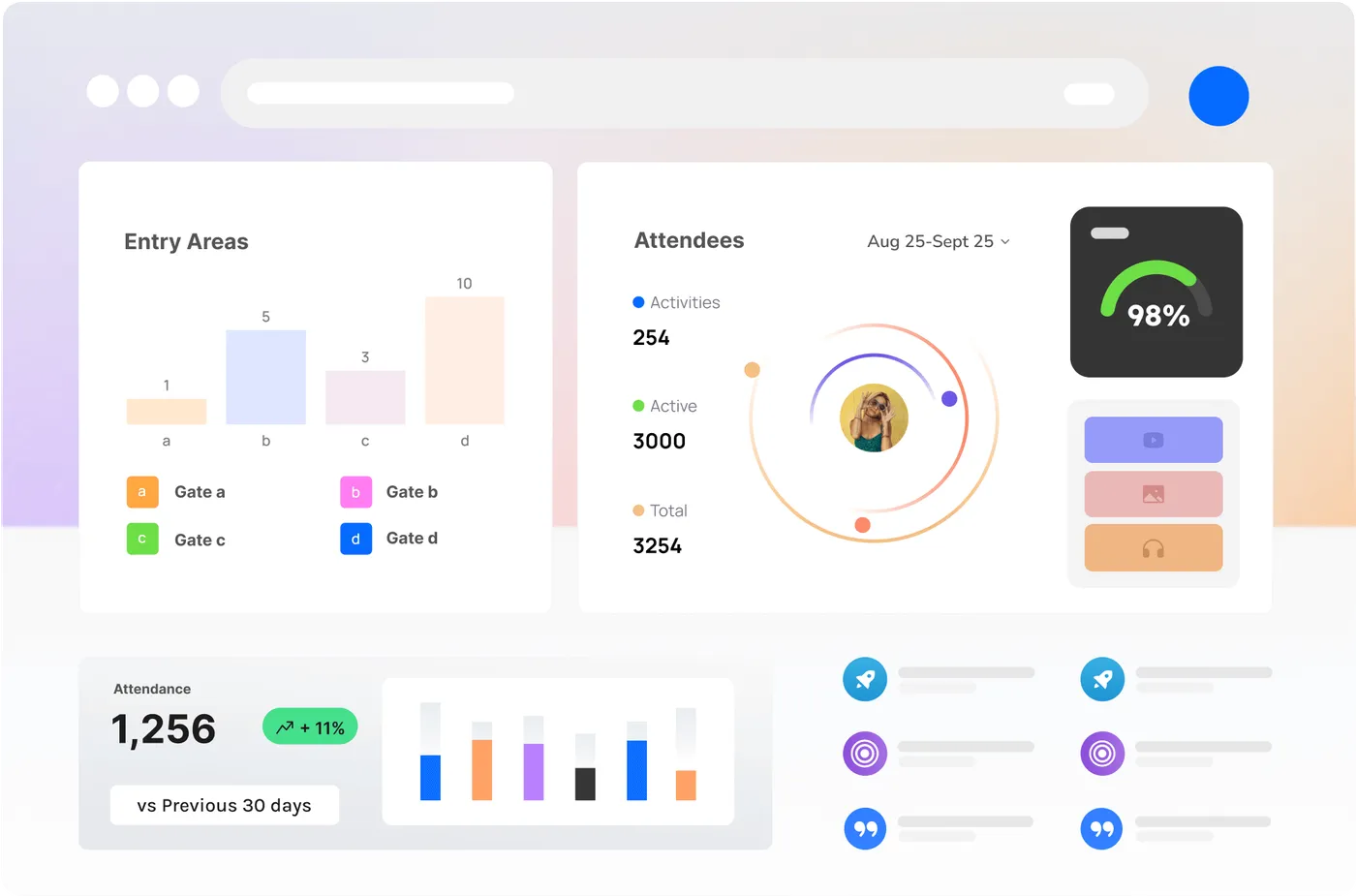
CrowdSense reads your existing camera feeds to measure queue length and flow in real time, then translates that into the metric that actually matters: estimated wait time. Instead of a vague sense that “it’s busy”, your control room sees that the east gate is running an eight-minute wait and climbing, while the south gate sits under two minutes.
Act while it still matters
With live thresholds and alerts, queues become something you manage rather than something you discover after the fact. Open an extra lane, redirect signage, move a staff member from a quiet stand to a busy one — and watch the wait time fall back into the green. The same data shows whether the intervention worked.
Plan the next event with evidence
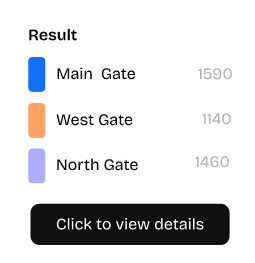
After the gates close, queue data becomes a planning asset. Which entry points consistently bottleneck? When do bar queues peak relative to the main act? How many lanes do you actually need at doors-open? Answering these with numbers, not anecdotes, is how good events become consistently great ones.